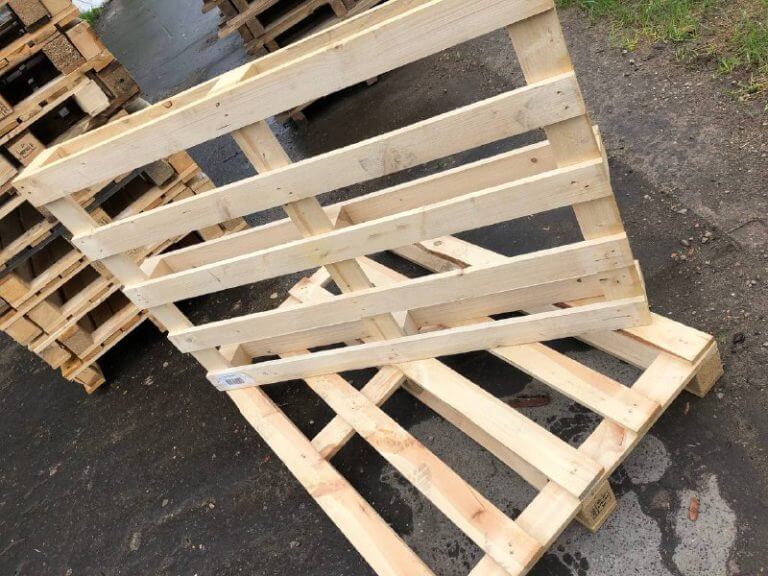
The Benefits of Purchasing Used Wooden Pallets: An In-Depth Guide
In the last few years, the need for sustainable and cost-effective company practices has increased. Amongst numerous alternatives available, among the most useful services is the use of wooden pallets, especially used ones. Whether for shipping, storage, crafting, or gardening, these versatile platforms offer a myriad of benefits. This blog post will explore the benefits of purchasing used wooden pallets, provide insights on where to find them, and respond to frequently asked concerns.
Why Choose Used Wooden Pallets?
1. Cost-Effectiveness
Used wooden pallets are generally more affordable than new ones. Organizations wanting to decrease functional expenses can find significant cost savings by going with used pallets.
2. Sustainability
Wooden pallets are multiple-use, making them an environmentally friendly option. By acquiring used pallets, companies can decrease waste and promote sustainability.
3. Versatility
From shipping products to creating furnishings, planters, and art, used wooden pallets provide themselves to different applications. This versatility makes them appealing to a broad audience.
4. Sturdiness
Wooden pallets, when well-maintained, can last for many years. They can bear heavy weights and withstand the rigors of shipping and storage, making them a dependable alternative.
5. Accessibility
Used wooden pallets are extensively readily available from numerous providers. In this guide, we will highlight some dependable sources for buying them.
| Benefits of Used Wooden Pallets |
|---|
| Cost-Effectiveness |
| Sustainability |
| Flexibility |
| Durability |
| Accessibility |
Where to Purchase Used Wooden Pallets
There are many opportunities for sourcing used wooden pallets. Here is a list of some of the most common locations to purchase them:
1. Local Suppliers
Local organizations that deliver goods typically have an excess of used pallets. Connecting to them might yield affordable alternatives.
2. Online Marketplaces
Websites like Craigslist, Facebook Marketplace, and eBay often list used wooden pallets for sale.
3. Manufacturing Plants
Numerous production facilities deal with large quantities of pallets. By contacting them straight, organizations can frequently protect offers.
4. Storage Facilities and Distribution Centers
Storage facilities typically have a surplus of pallets that they are willing to cost a discounted rate.
5. Pallet Pools
Pallet pools are companies that concentrate on renting and offering pallets. They often recycle and recondition used pallets, ensuring quality and compliance with industry standards.
| Sources for Used Wooden Pallets |
|---|
| Regional Suppliers |
| Online Marketplaces |
| Production Plants |
| Warehouses and Distribution Centers |
| Pallet Pools |
Elements to Consider When Purchasing Used Wooden Pallets
When purchasing used wooden pallets, a number of factors need to be considered to make sure that the pallets meet your needs:
1. Condition
Inspect the general condition of the pallet. Try to find any broken boards, splinters, or warping that might jeopardize its integrity.
2. Size
Identify the specific size required for your application. Typical sizes include 48x40 inches, however custom-made sizes might be offered.
3. Weight Capacity
Comprehend the weight capacity required for your pallets. agronytradingllc.com can hold various weights, so be sure to choose accordingly.
4. Product
A lot of wooden pallets are made from pine or hardwood. Each type has various toughness, weight capability, and expense.
5. Shipping Costs
Think about the expenses related to carrying the pallets to your area. Many local suppliers offer delivery, while some online marketplaces may not.
6. Source Reliability
Make sure that the supplier is reliable. Examine for evaluations or request for references to verify the quality of the pallets.
| Aspects to Consider When Purchasing |
|---|
| Condition |
| Size |
| Weight Capacity |
| Material |
| Shipping Costs |
| Source Reliability |
Regularly Asked Questions (FAQ)
1. Are used wooden pallets safe to use?
Yes, used wooden pallets can be safe if they are checked for damage, treated appropriately, and sourced from trustworthy suppliers. Constantly check for labels suggesting compliance with security standards.
2. How can I tell if a wooden pallet remains in good condition?
Look for visible indications of damage, such as broken slats or extreme wear. Pallets should likewise be devoid of mold and pest problems.
3. Can I customize the size of the pallets?
While many used pallets come in standard sizes, some suppliers may offer custom sizes. Be sure to ask about personalization options when getting in touch with providers.
4. What is the very best method to clean used wooden pallets for home usage?
To tidy pallets for indoor use, scrub them with warm soapy water and a brush. For mold issues, a mix of vinegar and water can function as an effective cleaner. Enable the pallets to dry totally before using them.
5. Exist policies I should know?
Various industries have actually varied policies concerning pallet usage. For particular applications, such as food shipping, compliance with security and hygiene standards is vital.
6. How can I repurpose old wooden pallets in the house?
Used pallets can be repurposed into furnishings, planters, storage services, and ornamental products. DIY tasks are plentiful online, providing innovative ideas and detailed directions.
Acquiring used wooden pallets is a useful choice for organizations and individuals alike. With their cost-effectiveness, sustainability, and adaptability, these pallets offer various benefits. By thinking about the key aspects and sourcing from trusted suppliers, purchasers can make educated decisions that align with their requirements.
Whether you're looking to improve shipping efficiency, create unique furniture, or support sustainable practices, used wooden pallets are a smart investment. Check out the various options available, and join the growing neighborhood that recognizes the value of reusing these durable resources.